Skip to content
Tapping Money logo Tapping Money
  • Personal Finance
  • Investing Basics
  • AI & Money
  • Money Habits
  • NRI Finance
  • Economy & Markets
  • Financial Tools
    • Financial Health Check
    • Budget Planner
    • Debt Payoff Planner
    • Portfolio Analyzer
    • Goal Planner
    • SIP Calculator
    • Step-up SIP Calculator
    • SIP vs Lumpsum Calculator
    • Lumpsum Calculator
    • SWP Calculator
    • Compound Interest Calculator
    • Fixed Deposit Calculator
    • RD Calculator
    • EMI Calculator
    • Home Loan Prepayment Calculator
    • Income Tax Calculator
    • Salary Calculator
    • EPF Calculator
    • HRA Calculator
    • NPS Calculator
    • Sukanya Samriddhi Calculator
    • Retirement Planner
    • Gratuity Calculator
    • PPF Calculator

Personal Finance

Home » Personal Finance » Page 2
Debt Consolidation Explained: Complete Guide
Posted inPersonal Finance

Debt Consolidation Explained: Complete Guide

Rajesh had five different debts: HDFC credit card: ₹1.2L at 42% interest ICICI credit card: ₹80K at 38% interest Personal loan (Bajaj): ₹3L at 18% interest Consumer durable loan: ₹50K…
Read More
Posted by Tapping Money April 23, 2026
Credit Utilization Ratio: What It Is and How It Affects Your CIBIL Score in India (2026)
Posted inPersonal Finance

Credit Utilization Ratio: What It Is and How It Affects Your CIBIL Score in India (2026)

Priya has two credit cards with a combined limit of ₹2 lakhs. Last month, she spent ₹1.5 lakhs—₹80,000 on one card and ₹70,000 on the other. She pays the minimum…
Read More
Posted by Tapping Money April 14, 2026
Debt Snowball vs Avalanche Method: Which Debt Payoff Strategy Works Best in India?
Posted inPersonal Finance

Debt Snowball vs Avalanche Method: Which Debt Payoff Strategy Works Best in India?

Priya owes ₹5.5 lakhs across three debts: a ₹50,000 personal loan at 14%, ₹2 lakh credit card balance at 42% annual interest, and a ₹3 lakh car loan at 10%.…
Read More
Posted by Tapping Money April 8, 2026
How Credit Scores Are Calculated in India: Complete CIBIL Score Guide (2026)
Posted inPersonal Finance

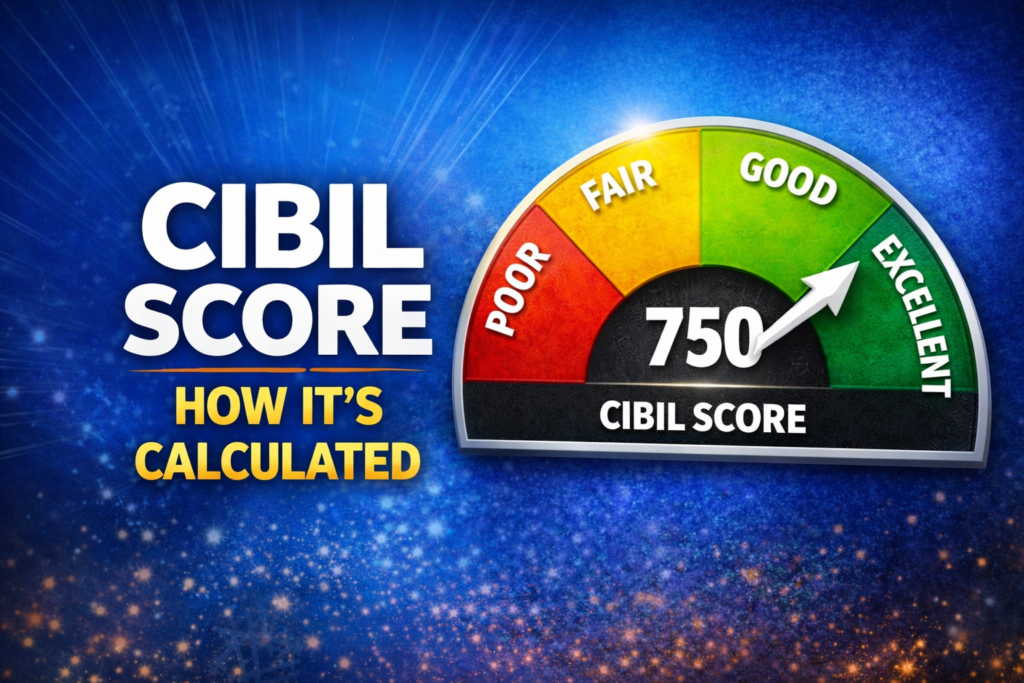
How Credit Scores Are Calculated in India: Complete CIBIL Score Guide (2026)

Ever wondered why your loan application got rejected despite having a steady income? Or why your friend got a lower interest rate on the same loan? The answer often lies…
Read More
Posted by Tapping Money March 20, 2026
How to Open a PPF Account in India: Complete Step-by-Step Guide (2026)
Posted inPersonal Finance

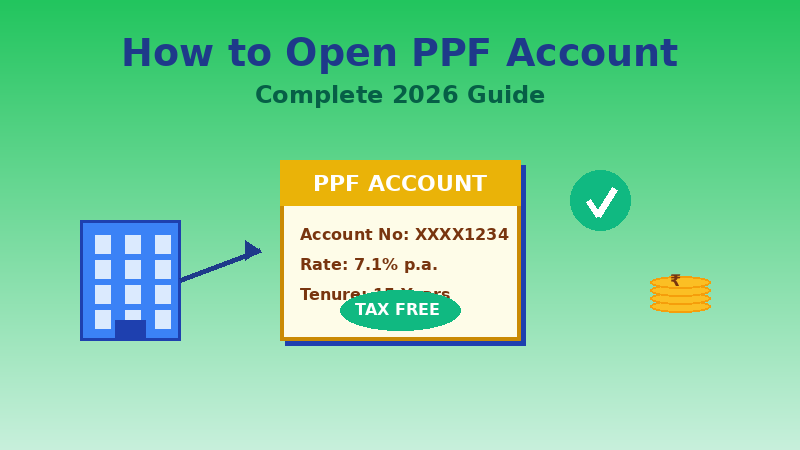
How to Open a PPF Account in India: Complete Step-by-Step Guide (2026)

Opening a Public Provident Fund (PPF) account is one of the smartest financial decisions you can make in India. With 7.1% annual returns that are completely tax-free and government-backed safety,…
Read More
Posted by Tapping Money March 17, 2026
How to Save Tax in India: 10 Best Tax-Saving Options for 2026
Posted inPersonal Finance

How to Save Tax in India: 10 Best Tax-Saving Options for 2026

February is here. Your phone pings with a WhatsApp from HR: "Tax-saving proof deadline: Feb 28th." Your stomach drops. Another year, another scramble to figure out where to invest ₹1.5…
Read More
Posted by Tapping Money February 24, 2026
7 Money Mistakes Indians Make in Their 20s (And How to Avoid Them)
Posted inPersonal Finance

7 Money Mistakes Indians Make in Their 20s (And How to Avoid Them)

Your first salary hits your account. ₹45,000. After years of asking your parents for money, you finally have your own. So you celebrate. New phone. Weekend trips to Goa. Zomato…
Read More
Posted by Tapping Money February 22, 2026
How AI Is Changing Personal Finance in India (What It Means for You)
Posted inAI & Money

How AI Is Changing Personal Finance in India (What It Means for You)

Artificial Intelligence (AI) is no longer limited to tech companies or developers. It is quietly changing how everyday Indians save, spend, invest, and manage money. From budgeting apps to robo-advisors,…
Read More
Posted by Tapping Money February 14, 2026
SIP vs Lump Sum: Which Investment Method Is Better?
Posted inPersonal Finance

SIP vs Lump Sum: Which Investment Method Is Better?

If you’re planning to invest in mutual funds or ETFs, one common question comes up early:Should I invest all at once (lump sum) or invest gradually through SIP? Both methods…
Read More
Posted by Tapping Money January 12, 2026
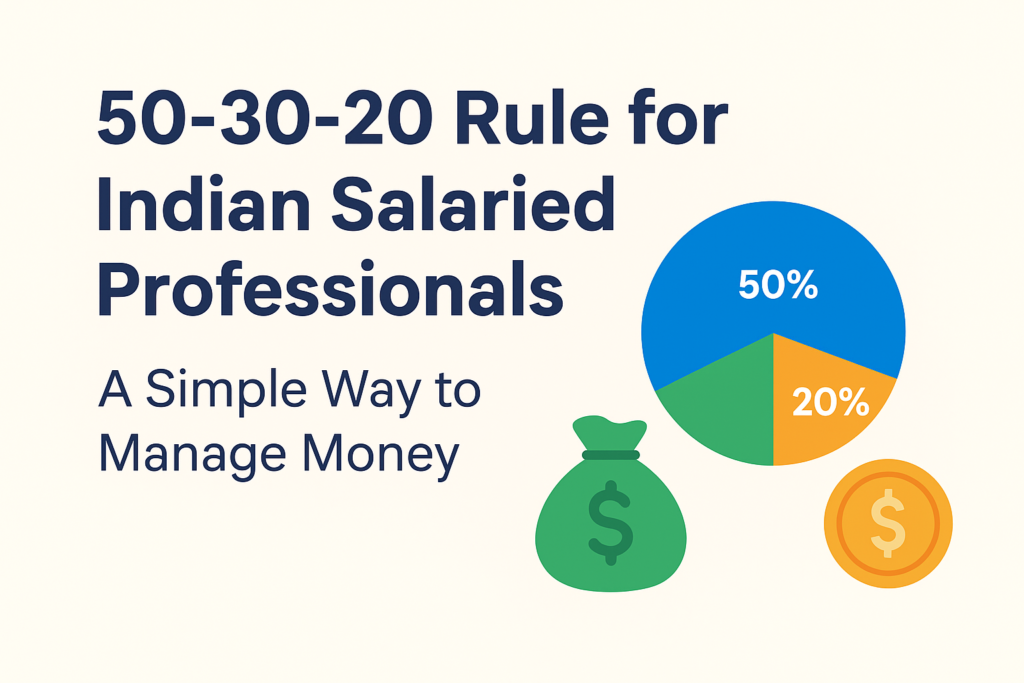
50-30-20 Rule for Indian Salaried Professionals: A Simple Way to Manage Money
Posted inPersonal Finance

50-30-20 Rule for Indian Salaried Professionals: A Simple Way to Manage Money

Managing money can feel complicated, especially in India, where expenses like rent, EMIs, groceries, and taxes keep increasing. But there’s a simple formula that works for almost everyone: the 50-30-20 rule.…
Read More
Posted by Tapping Money January 6, 2026

Posts pagination

Previous page 1 2 3 Next page

Financial Tools

Goal Planner
Financial Health Check
Budget Planner
Debt Payoff Planner
Portfolio Analyzer
Salary: CTC to In-Hand
EPF Calculator
Sukanya Samriddhi (SSY)
Income Tax: Old vs New
NPS Calculator
HRA Calculator
SIP Calculator
Lumpsum
SWP Calculator
SIP vs Lumpsum
Step-up SIP
Compound Interest
EMI Calculator
Loan Prepayment
FD Calculator
RD Calculator
Retirement
Gratuity
PPF Calculator
  • AI & Money
  • Economy & Markets
  • Investing Basics
  • Money Habits
  • NRI Finance
  • Personal Finance
  • RD vs FD vs SIP: Where Should You Put Your Monthly Savings?
  • NPS vs PPF: Which Is Better for Your Retirement?
  • New HRA Rule for Bengaluru, Hyderabad, Pune and Ahmedabad: Who Actually Benefits
  • How to Create a Monthly Income From Mutual Funds After Retirement (SWP Guide)
  • How to Break the Cycle of Impulse Spending
  • About Us
  • Contact
  • Privacy Policy
  • Disclaimer
  • AI & Money
  • Economy & Markets
  • Investing Basics
  • Money Habits
  • NRI Finance
  • Personal Finance
  • RD vs FD vs SIP: Where Should You Put Your Monthly Savings?
  • NPS vs PPF: Which Is Better for Your Retirement?
  • New HRA Rule for Bengaluru, Hyderabad, Pune and Ahmedabad: Who Actually Benefits
  • How to Create a Monthly Income From Mutual Funds After Retirement (SWP Guide)
  • How to Break the Cycle of Impulse Spending
Scroll to Top